
Yo, what’s up digital empire builders! It’s Ricky Trash here.
If you’ve been watching your bank balance or the cost of your Facebook ads lately, you know the vibes: everything is getting pricier. We aren’t just talking about a few cents on a latte; we’re witnessing a massive shift in Global Economic Inflation. For us entrepreneurs, traders, and strategists, understanding this isn’t optional—it’s a survival skill.
Today, we’re breaking down the “Big Five” global powerhouses. How are they fighting the inflation monster in 2026? What moves are they making that you should be copying (or avoiding)? Let’s dive deep into the belly of the beast.
1. The United States: The Battle of the Benchmark

The US remains the world’s financial sun, and right now, it’s burning hot. In early 2026, core inflation in the US has been hovering around 2.6% to 3.0%. The Federal Reserve is playing a high-stakes game of “chicken” with interest rates to cool down the heat.
- Real-World Example: Look at the “Food Away From Home” index. In March 2026, it hit 3.8%. This means if you’re running a business that requires physical travel or client dinners in the US, your overhead just took a hit.
- The Ricky Strategy: A strong US dollar (driven by high rates) is a double-edged sword. It’s great for buying international services (Digital Arbitrage, baby!), but it makes US-based products harder to sell abroad.
2. China: Fighting Deflation Amidst Global Chaos
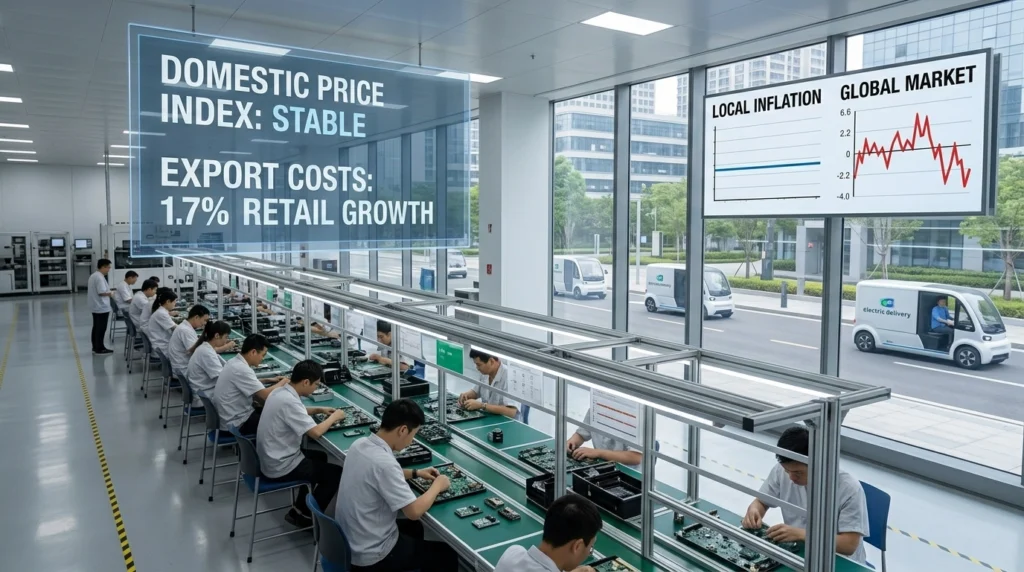
While the rest of the world worries about prices going up, China has a different flavor of Global Economic Inflation—or rather, a lack of it. They are battling weak domestic consumption, with retail sales growth struggling at around 1.7% in early 2026.
- Real-World Example: The Chinese government recently had to cap fuel price hikes to protect its massive manufacturing sector. While global oil prices spiked due to Middle East tensions, Beijing limited the increase to nearly half of what the market demanded.
- The Ricky Strategy: This makes China a “Value Haven” for sourcing. If you’re into e-commerce or dropshipping, China’s low domestic inflation keeps your product costs stable while your selling prices in the West rise. That’s where the profit margin lives!
3. Germany: The Energy Crisis Efficiency Play
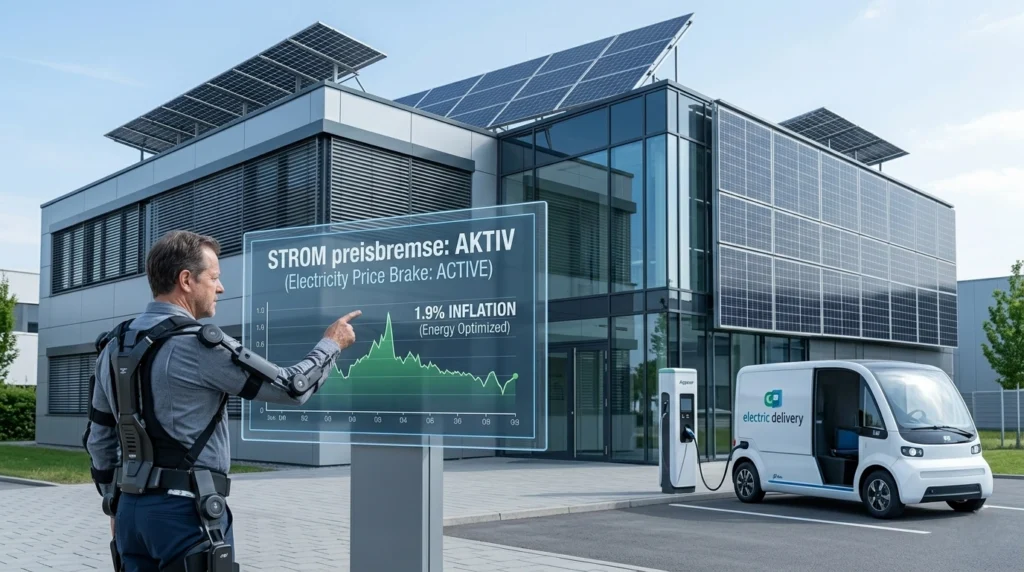
Germany is the heart of Europe’s industry, but it’s a heart that’s feeling the squeeze. Energy price volatility in 2026, fueled by geopolitical blockades, has kept German inflation around 1.9%.
- Real-World Example: Germany implemented the “Electricity Price Brake.” They literally calculate the needs of a “frugal household” and subsidize power up to that level. It’s a masterclass in targeted support.
- The Ricky Strategy: Watch Germany for “Industrial Efficiency.” When energy is expensive, they innovate. This is the time to look for German-engineered SaaS or automation tools that cut down your business’s energy or operational footprint.
4. Japan: Breaking the Decades-Long Silence

For the first time in a generation, Japan is seeing prices move. Core CPI in late 2025/early 2026 hit 2.1%. The Bank of Japan is finally stepping away from “Negative Interest Rates” and aiming for a 1% policy rate by mid-2026.
- Real-World Example: Hotel charges in Japan have surged due to a massive boom in tourism. If you’re a “Digital Nomad” planning a work-cation in Tokyo, your 2026 budget needs to be at least 20% higher than last year.
- The Ricky Strategy: The Yen is shifting. For years, we used the Yen for “Carry Trades.” Now, with rising rates, Japan is becoming an attractive place for stable, long-term capital again.
5. India: The High-Growth, Low-Inflation Oasis

India is currently the world’s fastest-growing major economy, with a projected GDP growth of nearly 7% for 2026. Surprisingly, they’ve managed to keep inflation projected to ease towards 3.1%.
- Real-World Example: India’s “Production-Linked Incentive” (PLI) schemes are subsidizing everything from semiconductors to EVs. They aren’t just fighting inflation; they are outgrowing it.
- The Ricky Strategy: India is the ultimate destination for “Digital Arbitrage” in 2026. With a booming tech services sector (now 46% of their exports), hiring high-level talent from India is the smartest move for any digital entrepreneur looking to scale.
The 2026 Powerhouse Inflation Matrix
| Country | 2026 Inflation Trend | Primary Strategy | Opportunity for You |
| USA | Plateauing (3%) | Aggressive Interest Rates | High-Yield Savings & Arbitrage |
| China | Low/Deflationary | Price Caps & Subsidies | Low Sourcing Costs |
| Germany | Stable (1.9%) | Efficiency & Energy Brakes | Efficiency Tools & Tech |
| Japan | Rising (2.1%) | Transition to Positive Rates | Tourism & Real Estate |
| India | Easing (3.1%) | Industrial Expansion (PLI) | Tech Outsourcing & Scale |
Why Understanding Global Economic Inflation Is Your Superpower
In the world of Global Economic Inflation, money doesn’t disappear—it just moves. When prices in the US go up, purchasing power shifts to emerging markets. When Germany struggles with energy, tech hubs in India and the US gain an edge.
As a digital strategist, you should be looking at the Global Economic Inflation data not as a warning, but as a roadmap. If you know where the money is losing value and where it’s gaining strength, you can position your assets accordingly.
The Ricky Trash Final Word on Global Economic Inflation
The world isn’t going to get “cheaper” any time soon. The “Big Five” are doing their best to steer the ship, but you are the captain of your own financial boat.
Whether it’s the US Fed’s hawkish stance or India’s digital boom, Global Economic Inflation is the tide. You can either let it swamp you, or you can learn to surf it. I choose to surf.